Get $500 Off Before October 31st!
Keep Water Moving With Sump Pump Installation in Cincinnati, OH, and the Tri-State Area
Groundwater collected around or beneath your basement needs a reliable way to leave the property. Without an effective discharge point, water can accumulate as the surrounding soil becomes saturated and the water table rises. A failing, undersized, or improperly installed sump pump can leave your basement especially vulnerable during periods of heavy rain. If the pump cannot keep up with incoming water, the basin may overflow and allow moisture to spread across the lower level. Reliable basement water management depends on selecting a pump that can handle the demands of the property and installing it as part of a properly planned drainage system.
Polaris Basements provides sump pump installation for Cincinnati, OH, and the Tri-State homeowners who need effective groundwater removal. We evaluate expected water volume, pumping head height, basin conditions, discharge requirements, and the drainage system feeding the pump before selecting equipment. When groundwater needs a dedicated route to the sump basin, drain tile installation can provide an interior collection system along the foundation footings. We focus on durable, continuous-duty pump equipment designed to move collected water away from the building during wet conditions.
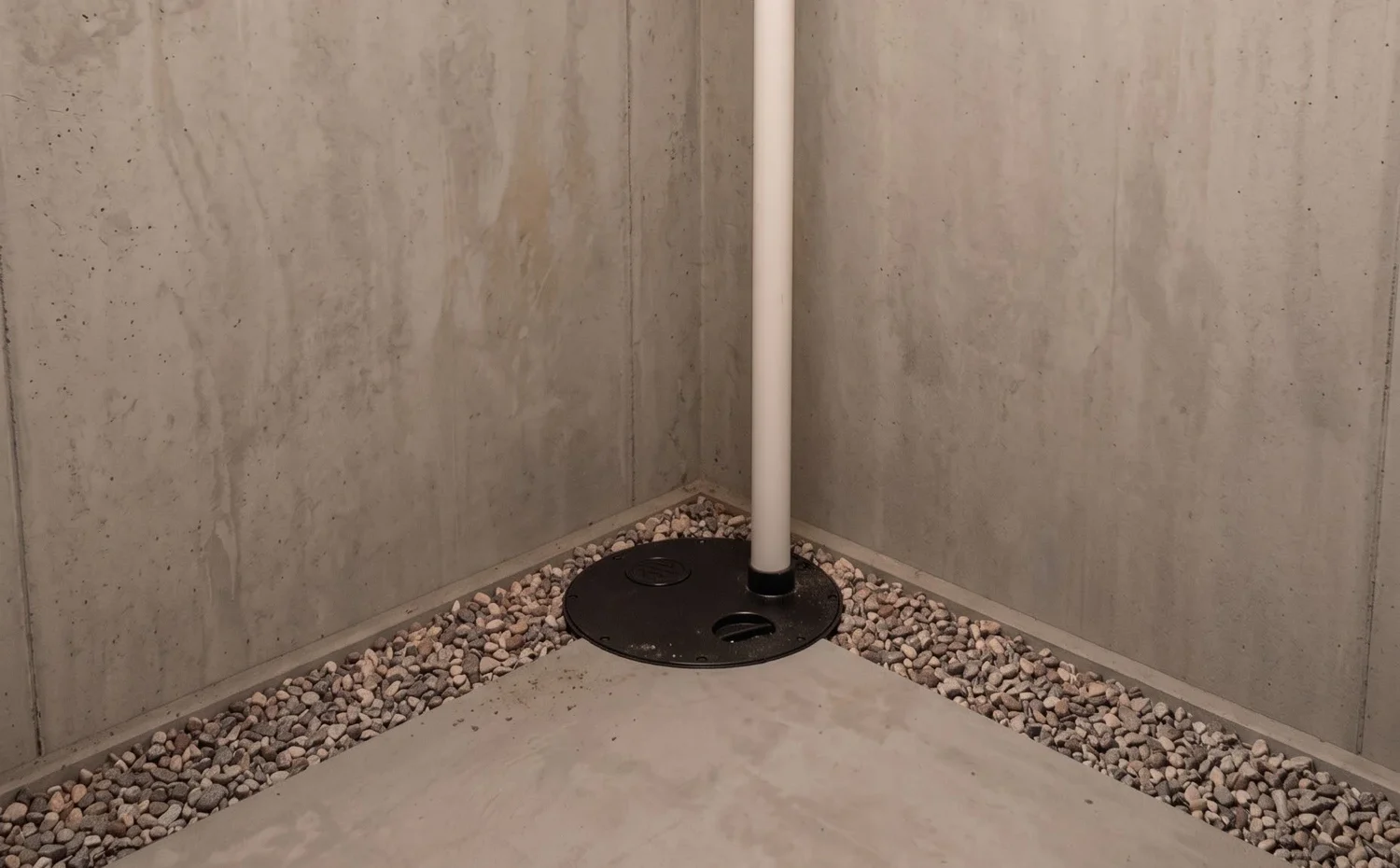
Move Collected Water Away From Your Foundation
A basement sump pump acts as the mechanical discharge point for a drainage network. Water enters a basin installed below slab level, and the pump activates when the water reaches a predetermined level. The system then pushes that water through discharge piping and away from the foundation.
Effective installation requires more than placing a pump in an existing hole. The pump capacity, basin, piping, elevation change, and expected water volume all influence how the system should be configured.
- Water Volume Evaluation: We assess drainage conditions and anticipated groundwater volume to help determine the appropriate pumping capacity for the property.
- Sump Basin Installation: When needed, a dedicated basin is installed below slab level to create a controlled collection point for incoming groundwater.
- Pump Selection: We calculate pumping demands and head height to select equipment suited to moving water through the required discharge route.
- Rigid Discharge Piping: The pump is connected to a discharge line designed to carry collected water away from the foundation rather than releasing it directly beside the structure.
- System Integration: The sump pump is planned around the drainage system supplying the basin so collection and discharge components work together.
For homes where broader groundwater management is needed, a basement drainage system can be evaluated alongside the pump. A sump pump can only remove water that reaches its basin, so proper collection and discharge need to function as one connected system.
Prepare Your Basement for Heavy Rainfall and Flooding
A sump pump may sit inactive during dry conditions and then become one of the hardest-working mechanical systems in your home during a severe storm. Rising groundwater and saturated soil can send substantial amounts of water toward basement drainage systems in a short period. The pump needs to respond reliably when those conditions occur.
Power outages can create another concern. Severe thunderstorms can increase groundwater at the same time local electrical service is interrupted. A primary electric pump cannot operate normally without power, which can leave the basin filling during the exact conditions when pumping is most important. For additional protection, battery backup sump pump installation provides a secondary pumping system designed to operate when primary electrical power is unavailable.
Polaris Basements brings 25+ years of local housing, real estate, renovation, and construction experience to homes throughout Cincinnati, OH, and the Tri-State Area. We evaluate how the sump system interacts with drainage, groundwater, the foundation, and surrounding property conditions rather than treating the pump as an isolated appliance.
Our proprietary mobile bidding technology also makes project planning straightforward. During the property visit, we enter system specifications and develop a detailed, itemized proposal based on the recommended equipment and installation scope. Homeowners can review the proposed work and pricing without waiting through a lengthy estimating process.
If your existing pump struggles during heavy rain, has stopped working, or your basement needs a new mechanical discharge system, Polaris Basements provides sump pump installation in Cincinnati, OH, designed around your property’s drainage demands. Contact us to schedule an inspection and receive a detailed proposal.

Get Fast Help With a Wet Basement
Water in your basement? Contact our local team 24/7 to discuss the problem and next steps. We offer a 5 Year warranty on waterproofing!
Frequently Asked Questions About Sump Pump Installation
-
A sump pump removes groundwater collected in a basin below the basement floor. When the water reaches the pump’s activation level, the unit sends it through discharge piping and away from the foundation, helping prevent the basin from overflowing into the basement.
-
Pump selection depends on factors such as expected water volume, pumping head height, drainage conditions, and the discharge route. We evaluate these conditions before selecting equipment rather than assuming the same pump is appropriate for every property.
-
Yes. If an existing unit is no longer reliable or does not meet the demands of the drainage system, we can evaluate the current setup and determine the appropriate replacement approach. The basin and discharge piping may also need to be considered during the inspection.
-
Discharge should move collected water away from the foundation so it does not immediately return to the drainage system. The appropriate route depends on the property, elevation, existing drainage, and installation conditions.
-
A standard electric sump pump relies on household electrical power and normally stops operating during an outage. A separate battery-powered backup system can provide secondary pumping capability during outages or certain primary-pump failures.